



|
|
|
|
|
|
|
|
|
|||||
|
|
|||||
|
||||||
|
||||||
|
||||||
|
||||||
|
|
|
|||||||||||||||||||
|
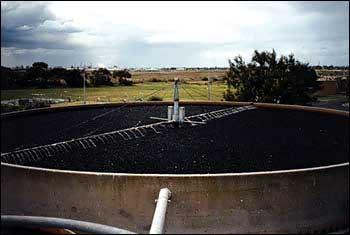
Reduce activitiesWastewater TreatmentWastewater, also called sewage, is a generic term for all the used water and waste which leaves our homes and businesses through an extensive network of pipes called the sewerage system. Untreated wastewater is rich in nutrients and contains bacteria, so it cannot be safely released into the environment until is has been treated. Our sewage is treated using natural biological techniques to reduce the impact on the environment. Chemicals, nutrients, oils and bacteria are removed and the wastewater is transformed into treated liquid (effluent), and a solid waste (sludge). The effluent can then be returned to the environment safely.
Rainwater TanksCity West Water encourages customers to investigate installing rainwater tanks and water diversion systems on their properties. These systems collect and store rainwater for use in flushing toilets and watering the garden. This reduces the amount of high quality drinking water being consumed and can reduce household water bills, particularly in summer.
|
|
 |
 |
 |
 |
 |
 |
 |
 |
 |
|
|
 |
Disclaimer | Privacy Policy | Terms of Use | Sustain Ability © All copyright including intellectual property remains
the property of |
|